Privacy
Visual privacy refers to the ability of residents both within a development and on neighbouring properties to occupy and enjoy their home without feeling of being overlooked by others. It is a key consideration in achieving comfortable, liveable environments, particularly as urban areas become more compact and dwellings are situated closer together.
Acoustic privacy on the other hand concerns the extent to which residents are shielded from unwanted noise generated both within a development and from external sources, and it works hand in hand with visual privacy to determine the overall liveability of a dwelling.
Achieving a balanced privacy outcomes requires a careful balance between two often competing objectives: on one hand, residents value outlook and connection to their surroundings including access to sunlight, views, and a sense of openness; on the other, they need reasonable protection from peering eyes.
Design responses that ignore this balance risk either isolating residents behind blank walls or leaving them exposed to overlooking from adjoining dwellings or public areas.
Navigating statutory planning requirements requires a strong merit-based response, ensuring no stone is left unturned in fighting for your planning rights. An iObject planning consultant can assist in providing an evidence-based approach, that’s backed up by planning regulation and precedents.
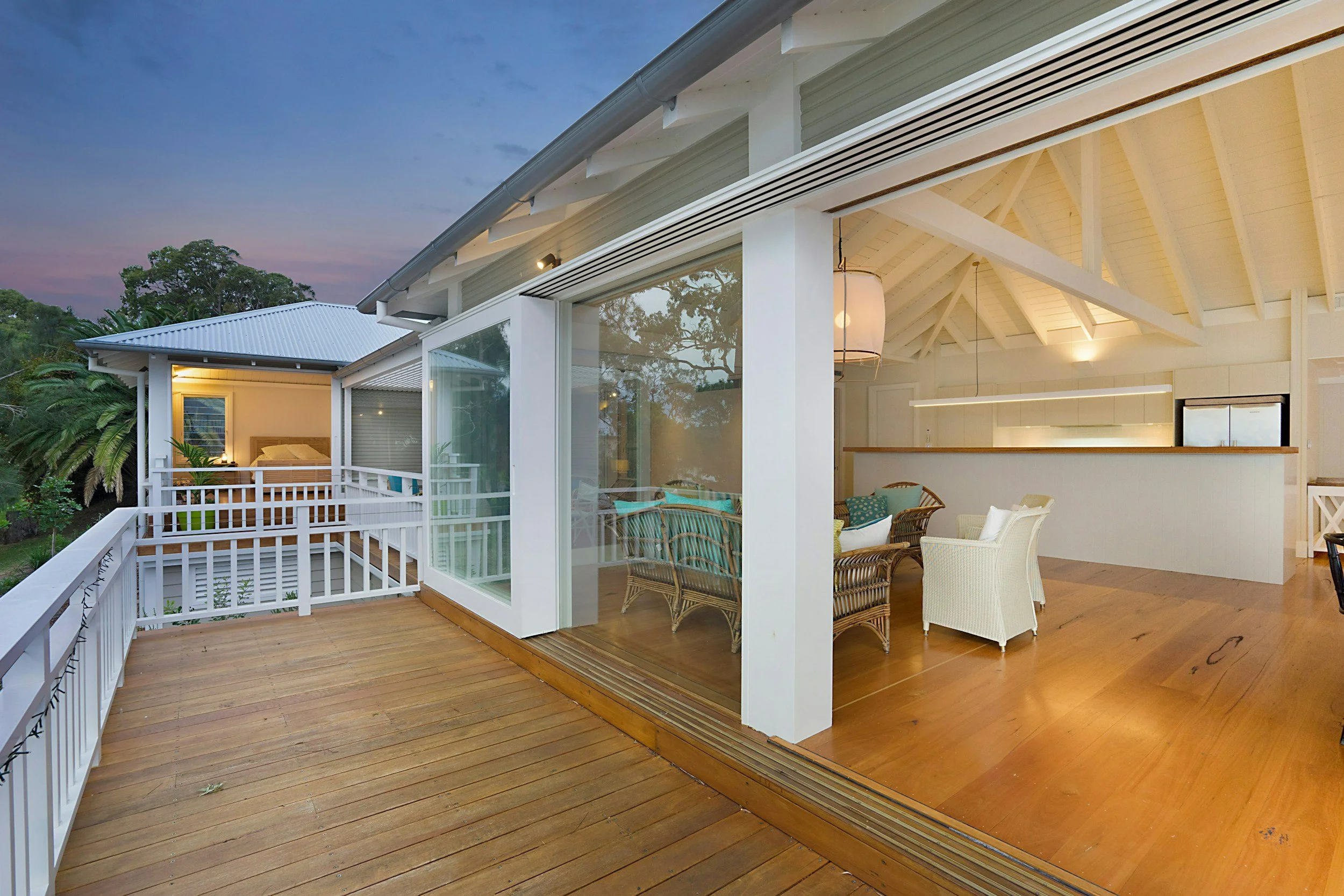
Poorly-placed windows and elevated decks can become an unwanted privacy problem if left unchecked. 📞 Speak with a Planner today to ensure your objection carries sufficient weight to succeed.